
I.
Why Opus Exists
We believe in the redeeming qualities of
conscious self-reflection.
Most personality tests measure traits. This one measures cognitive patterns: how you perceive, decide, and relate to others. Opus helps you identify those patterns and develop them over time and it starts with 16 honest questions.
II.
What Are Cognitive Functions?
Cognitive functions are the building blocks of how your mind works. Originally described by Carl Jung, these eight mental processes shape everything from how you make decisions to how you gather information about the world.
Extraverted
Intuition
Ne
Entertaining
Envisioning
Enabling
Introverted
Intuition
Ni
Imagining
Knowing
Divining
Extraverted
Sensing
Se
Engaging
Experiencing
Enjoying
Introverted
Sensing
Si
Implementing
Verifying
Accounting
Extraverted
Thinking
Te
Regulating
Planning
Enforcing
Introverted
Thinking
Ti
Naming
Defining
Understanding
Extraverted
Feeling
Fe
Validating
Affirming
Relating
Introverted
Feeling
Fi
Judging
Appraising
Establishing the Value
Fig. 1. The eight cognitive functions described by Carl Jung in Psychological Types (1921) and later developed into contemporary personality models by John Beebe.
Extraverted
Feeling
Fe
Validating
Affirming
Relating
Extraverted
Sensing
Se
Engaging
Experiencing
Enjoying
Extraverted
Thinking
Te
Regulating
Planning
Enforcing
Extraverted
Intuition
Ne
Entertaining
Envisioning
Enabling
Introverted
Feeling
Fi
Judging
Appraising
Establishing the Value
Introverted
Sensing
Si
Implementing
Verifying
Accounting
Introverted
Thinking
Ti
Naming
Defining
Understanding
Introverted
Intuition
Ni
Imagining
Knowing
Divining
Fig. 1. The eight cognitive functions described by Carl Jung in Psychological Types (1921) and later developed into contemporary personality models by John Beebe.
Everyone uses all eight functions, but we each have a unique stack, a hierarchy that determines which functions feel most natural and which require more conscious effort to access.
III.
Where Opus Comes From
This assessment is grounded in the work of Swiss psychiatrist Carl Jung, who introduced the idea that people differ in predictable ways in how they perceive and evaluate the world.
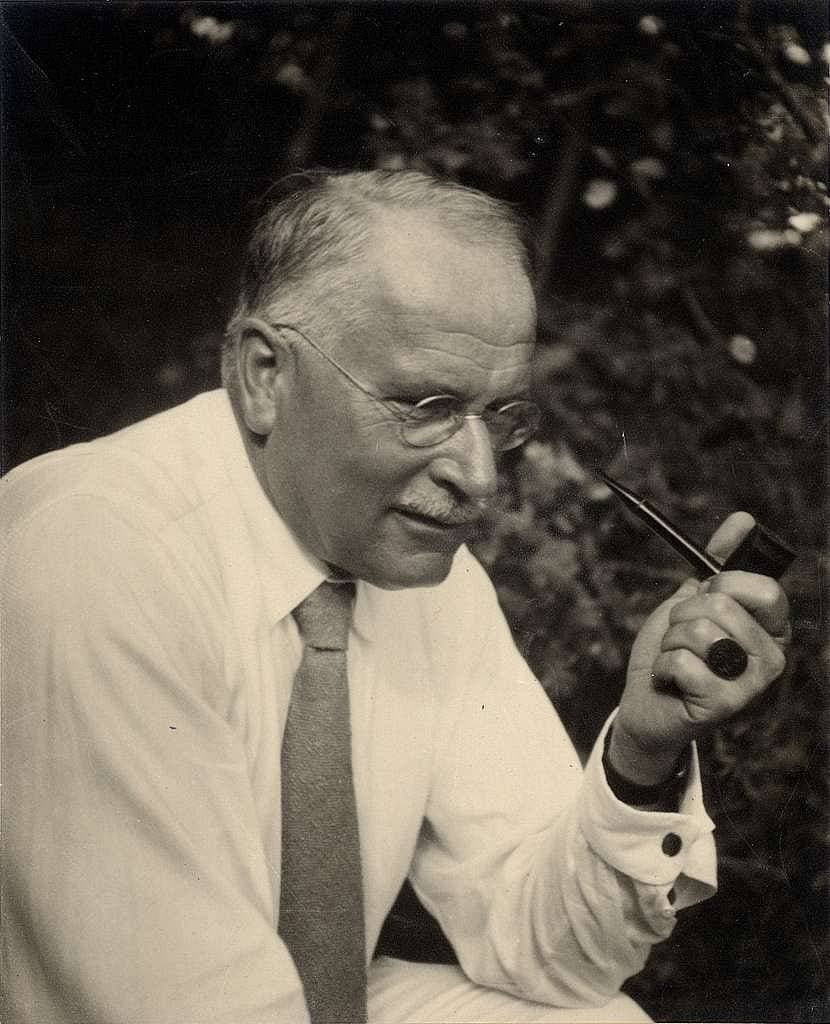
Fig. 2, Carl Jung (1875–1961), Swiss psychiatrist and author of Psychological Types (1921), whose theory forms the foundation of the cognitive function framework.
Later researchers expanded his theory into what is now known as the cognitive function model — a framework that describes patterns of perception and decision-making.
This test draws from that tradition to identify your dominant cognitive preferences.
IV.
How the Assessment
Works
Answer 16 Questions

Answer 16 thoughtful questions through a guided conversation. There are no right answers, just honest self reflections.
Patterns Identified


Across your answers, consistent tendencies begin to surface. The assessment looks for how you think over time, not isolated moments.
Receive Your Type


Receive a personalized Jungian cognitive profile showing how your eight functions are organized and shape your experience.
Answer 16 Questions
Answer 16 thoughtful questions through a guided conversation. There are no right answers, just honest self reflections.
Patterns Identified
Across your answers, consistent tendencies begin to surface. The assessment looks for how you think over time, not isolated moments.
Receive Your Type
Receive a personalized Jungian cognitive profile showing how your eight functions are organized and shape your experience.
V.
Why Understanding
Type Matters
Most conflict is not about intent. It is about differences in perception and decision-making. Understanding your cognitive pattern makes those differences visible.
Without Awareness
Misread intent
Friction feels personal
Strengths clash
Differences feel confusing
With Awareness
Differences are predictable
Friction becomes understandable
Strengths complement
Communication improves
VI.
Type Is a Starting Point
Your personality type describes preference, not limitation. It reflects your natural tendencies, not your potential.


Everyone uses all cognitive functions. Over time, strengths develop beyond what comes naturally. The goal is not to fit into a label, but to understand your starting point and grow from it.